Women in Coaching: Suzanne Vjestica-Brown
December 12, 2025 | by Nabillah Akhtar
An Oxford boxing coach’s inspiring journey is the focus of the third instalment in England Boxing’s Women in Coaching series with UK Coaching, highlighting the stories of six female boxing coaches and addressing the decline of women coaches across the UK.
In Oxford, 42-year-old Suzanne Vjestica-Brown has been a beacon of light in the coaching community, overcoming initial confidence issues and a breast cancer diagnosis to help her attendees at Blackbird Leys Boxing Club.
Suzanne first started boxing after trying athletics and taekwondo, which never quite felt like the right fit, and quickly found her love for coaching in the sport in her late 30s. After being invited to a session at the University of Oxford, she secured her first qualifications and became the first female boxing coach in the institution’s 142-year history – something she’s incredibly proud of.
She admits: “It was amazing because it’s an iconic institution and I’m Oxford born and bred. I started with girls who had never boxed, so I was passionate about driving through boxing’s fundamentals.”
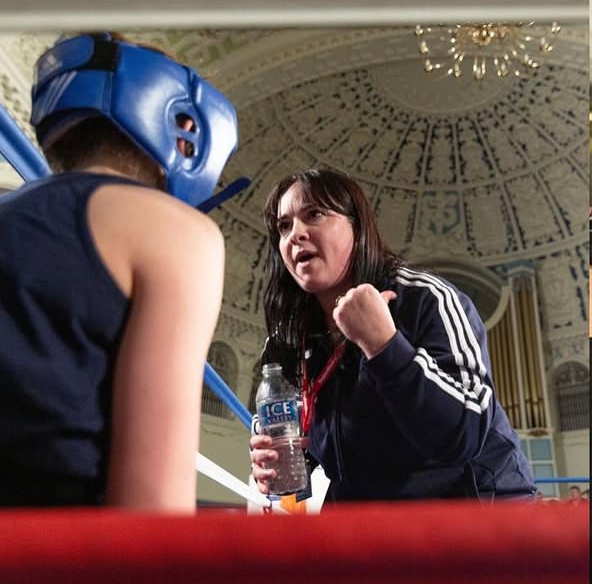
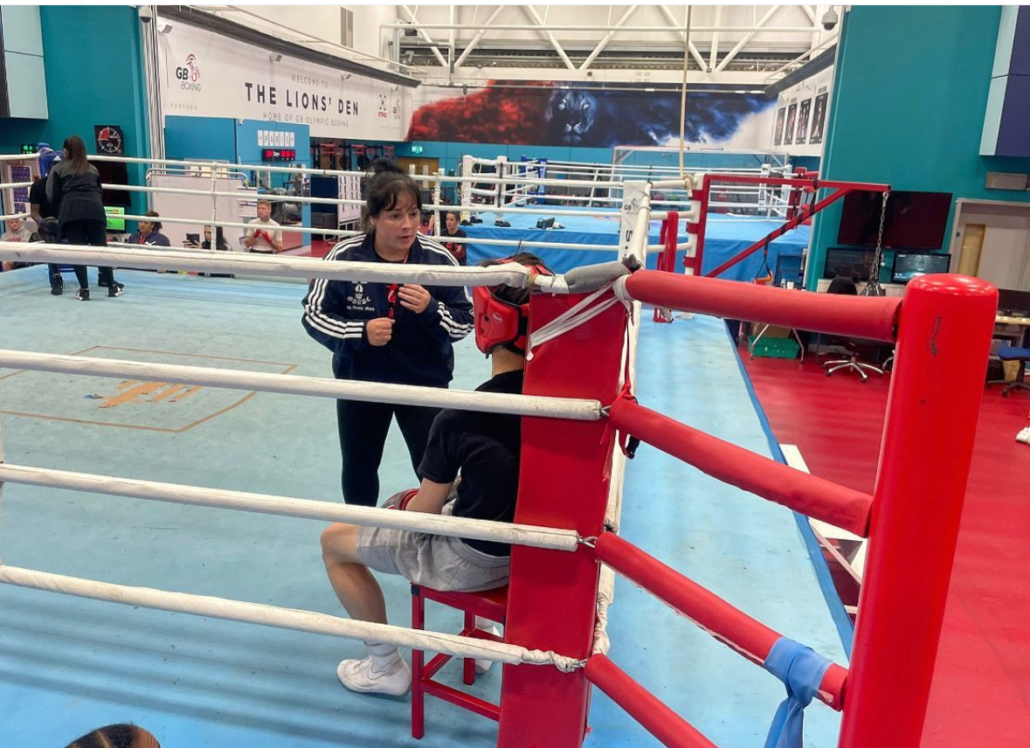
After co-running a club at South Moreton for a year following the retirement of Head Coach Dave Mace at the University, Suzanne was diagnosed with breast cancer. While she initially took a break, she quickly realised she wanted to continue to be a positive force in the ring, joining Blackbird Leys Boxing Club, where she again made history, becoming the club’s first-ever female coach. Suzanne hopes the path she’s carved out becomes a gateway for others.
She says: “I’ve been opening up doors behind me, so now someone will have the opportunity in the future to follow my path and break down barriers.”
Suzanne has now finished her breast cancer treatment and is in the preventative stage. Just days after she underwent surgery, she was remarkably back coaching with her “second family”.
A leading light as a female boxing coach, Suzanne is continuing to transform lives throughout her community, through mentorship, support, and personal growth.
She understands how coaching can be a catalyst for wider social impact by helping to improve mental health, build confidence, and create safe spaces where people can grow and develop.
However, new data from UK Coaching’s Coaching in the UK Report revealed a decline in the number of female coaches across all levels – from 44% in 2022 to 38% in 2024 – despite women making up 51% of the UK population.
UK Coaching is developing a Gender Impact Strategy to create inclusive and diverse coaching environments, promote equity, and drive systemic change, and is continuing to work with partners on further research to develop a deeper understanding of the reasons for the drop-off.
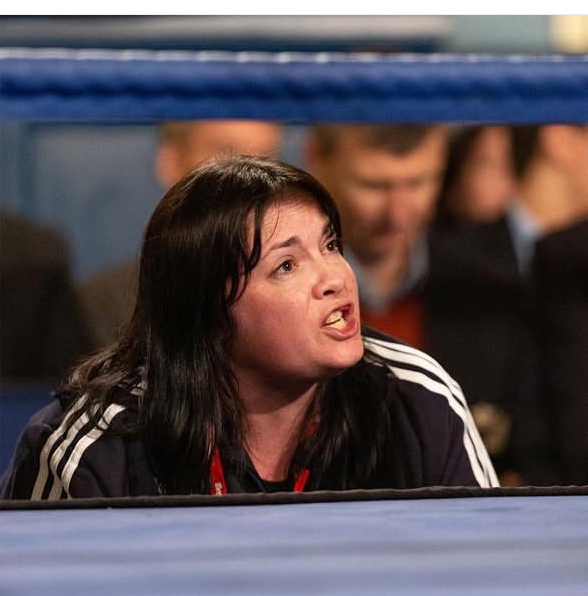
Despite entering a traditionally male-dominated sport, Suzanne was surrounded by “incredibly supportive” people who helped her shine, and made her realise she needed to be “fearless” in that environment.
“My experience highlights the need for female coaches to be fearless and put themselves out there, because if you go in with the attitude of ‘I’m a female coach’, no one’s going to respect you,” she says.
“In all honesty, I was doing that, but it took the people around me to make me stop and ask, ‘why am I putting myself in these positions?’
“I think as female coaches, we have to get out of the mindset that we’re going to fit into this pigeonhole that other people are creating for us. I’m not here to make up a diversity platform. I’m here because I’m a coach in my own right.”
Suzanne has crucially seen the impact coaching can have, both on herself and others around her, and she urges other women to follow suit. She says: “Coaching is a really nice place to be because it’s a safe space for everyone!”
UK Coaching and England Boxing are also dedicated to celebrating inspiring coaching stories from every sport, at every level, to shine a light on the unsung heroes who are building stronger clubs, communities, and futures.